I Wore These adidas Hiking Shoes for 35 Miles in the Smokies — Here's the Deal
Last autumn I was doing a last-minute loop through Great Smoky Mountains during leaf season, and the forecast was doing that thing where it promises "partly cloudy" but actually means "steady drizzle from noon onward." I'd left my usual trail runners at home, grabbed these adidas Terrex Anylander Rain.RDY shoes off the shelf at an outdoor shop in Knoxville, and figured I'd learn what I needed to know by putting miles on them in real conditions.
We may earn from qualifying purchases.
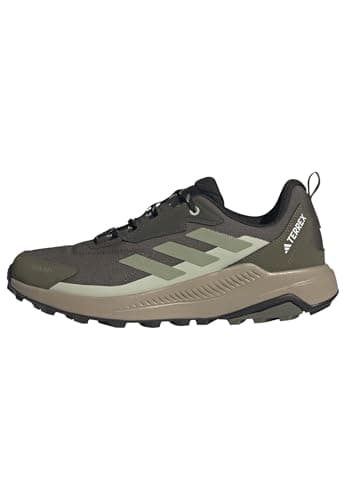
Over three days I logged about 35 miles on everything from gravel forest roads to slick roots and the occasional rocky scramble. The adidas Terrex Anylander Rain.RDY handled damp terrain without flinching. RAIN.RDY membrane kept things dry when I was wading through wet grass at Cades Cove at sunrise, and the Traxion outsole gripped well on mossy log crossings where I've seen less experienced hikers take tumbles.
How it held up
The EVA midsole isn't going to win any awards for plushness, but for a day-hiking focused shoe it's got enough give to keep your feet comfortable through 10-12 mile days. I did a 14-miler on day two with about 2,200 feet of elevation gain, and my feet felt fine at the car. The 10mm drop feels moderate, which I appreciate. I'm not a zero-drop devotee, but I also don't want something that pitches me too far forward.
Weight-wise, the 390g per shoe (size US 9) puts these in the lightweight category. They didn't feel clunky on long stretches of flat trail, and my ankles weren't working overtime to compensate for bulk. That's worth noting if you're coming from heavier boots and wondering about the switch.
One thing I should mention: the waterproofing held up through several stream crossings and hours of wet underfoot. I can't speak to how that membrane performs after six months of hard use, but out of the box it does what adidas claims.
Who should skip it
If you're someone who needs genuine ankle support, these aren't it. The Anylander is a low-cut hiking shoe, not a boot. I've seen folks on trail forums ask about using trail runners or low shoes for backpacking trips with heavy loads, and my honest take is: know your feet and know your terrain. For ultralight overnights with a 25-pound pack on established trails, sure. For thick brush, talus fields, or anything where your ankles are working hard? Get boots.
Also, if you're looking for maximum cushion for long days on hard surfaces like paved scenic drives and boardwalks, you might find the EVA midsole a bit firm. I didn't mind it, but I've read enough reviews from people who wanted more softness underfoot that it's worth flagging before you buy.
What didn't click
Here's my main grip: the toe box runs narrow. I'm not even particularly wide-footed, but after a full day on trail my toes felt compressed. By day three I'd loosened the laces more than I usually would, which helped, but it still wasn't quite right. For my foot shape, this is a real drawback that kept these from feeling like a perfect fit.
The colorway I grabbed also shows dirt pretty quickly. The Shadow Olive is a nice-looking shoe, but after a few muddy miles it looked rough in a way that bothered me more than it should. I'm aware this is cosmetic and doesn't affect performance, but I notice these things. If you want something that hides trail grime better, look at the darker color options.
Overall, for day hikes and light overnight trips in wet conditions, the Anylander Rain.RDY does what it promises. I'd buy them again for mild-weather park visits where I'm chasing good weather windows and need something that won't bog down in morning dew or surprise creek crossings. Just don't expect them to replace dedicated boots for technical terrain or heavy loads.
If you've got a specific park trip coming up and want a waterproof shoe that'll handle variable trail conditions without dragging you down, these are worth considering. I'd skip them if you know you need more toe room or ankle coverage, though., Marcus
FAQs