
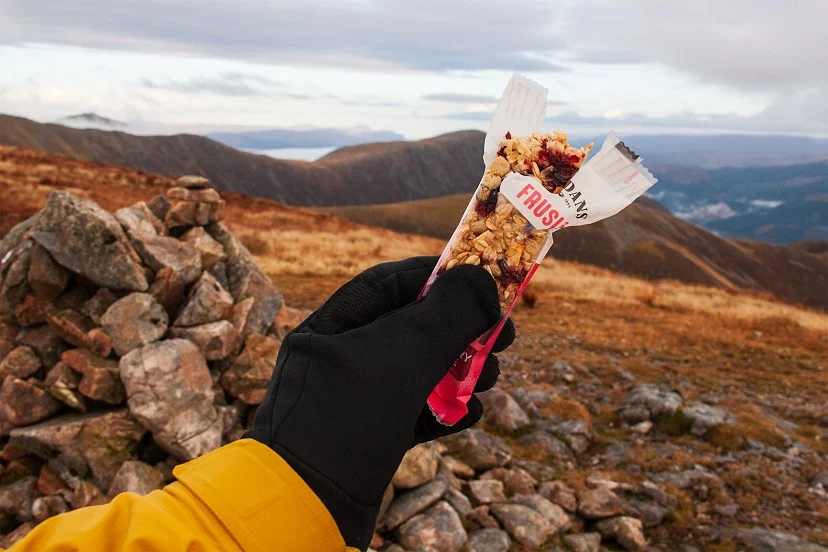
When scaling a mountain, your success depends not only on skill and endurance but also on the fuel that powers your body. Choosing the right mountain climbing food ensures consistent energy levels, aids recovery, and helps you adapt to altitude changes. The combination of carbohydrates, fats, and proteins plays a vital role in maintaining strength and stamina during long ascents. In this comprehensive guide, we explore what climbers eat, how digestion works at high altitudes, and the best types of food to bring on your next expedition.
What Do Climbers Eat on the Mountain?
Climbers must consume calorie-dense and lightweight meals that are easy to prepare and digest. The best mountain climbing food provides a balance of macronutrients to sustain energy over long hours of physical exertion. Typically, climbers rely on dried fruits, nuts, energy bars, jerky, and dehydrated meals because they pack a lot of calories into small portions. Many also bring high-carbohydrate options like instant noodles or oatmeal, which provide quick energy. Fat-rich foods like nut butter and cheese are excellent for slow-burning fuel during long, steady climbs.
It’s also important to plan meals strategically according to climbing stages. Breakfast should be rich in carbs and easy to digest, lunch should be convenient and quick, while dinner should focus on replenishing lost nutrients. The right combination of foods helps your body adjust and perform optimally, especially when dealing with lower oxygen levels at altitude.

How Does Digestion Work at Altitude?
At high elevations, digestion becomes more difficult due to lower oxygen levels and changes in blood flow. The body redirects energy toward vital organs, slowing down gastrointestinal function. This makes it essential for climbers to choose mountain climbing food that is gentle on the stomach and easy to digest. Fatty or greasy foods can cause nausea and discomfort, while complex carbohydrates and simple sugars are usually easier for the body to process in such conditions.
Hydration also plays a key role in aiding digestion at altitude. Dehydration slows nutrient absorption and can cause fatigue or cramps. Therefore, climbers should prioritize eating small, frequent meals instead of large ones and drink water consistently throughout the day. Foods that are rich in electrolytes or contain natural hydration, such as fruits or soups, also help maintain balance and energy levels.
What Are Some of Your Favorite Foods?
Selecting personal favorites can make the climb more enjoyable and keep morale high. While mountain climbing food must be functional, it can still be delicious and comforting. Many climbers pack familiar snacks that not only provide energy but also lift their spirits during challenging sections of the climb. Below are some popular items that experienced mountaineers often recommend for their taste, portability, and nutritional value.
Banana
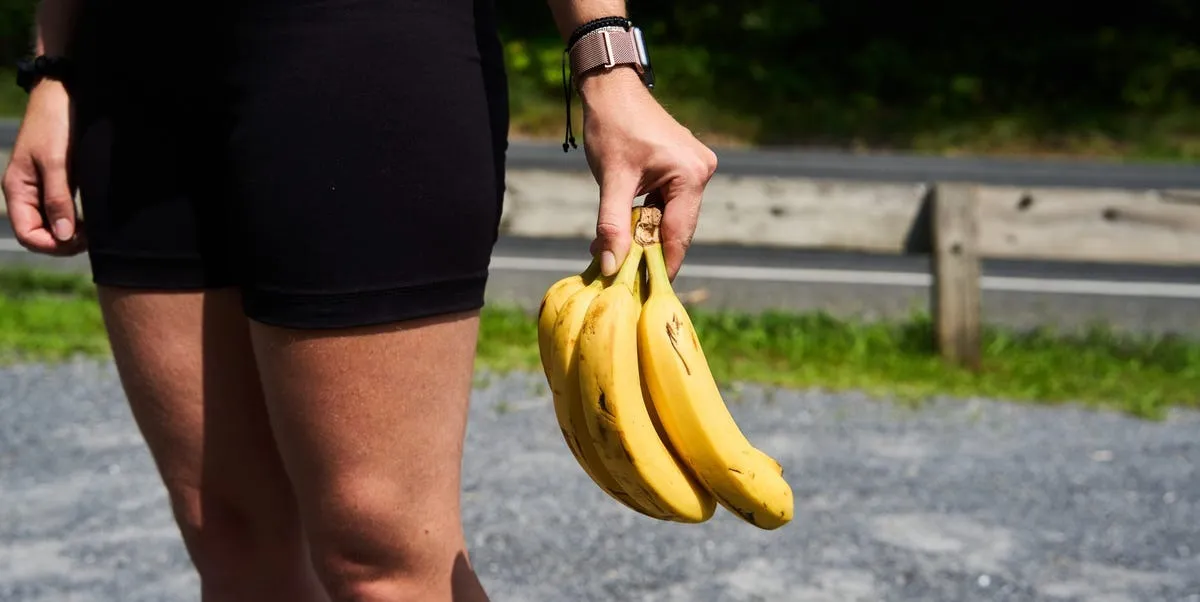
Bananas are a top pick for mountain climbing food due to their high potassium and carbohydrate content. They provide quick energy, help prevent muscle cramps, and are easy to eat without preparation. The natural sugars in bananas offer an instant energy boost, while the fiber helps sustain energy release over time. However, since fresh bananas can bruise easily, some climbers opt for dried banana chips instead. Both forms serve as excellent lightweight energy sources for short breaks or pre-climb snacks.
Gummy Worms
Gummy worms may not sound like traditional mountain climbing food, but they provide quick sugar and a morale boost during strenuous climbs. Their high glucose content delivers a rapid energy surge when you need it most, such as during steep ascents. Many climbers use candy like gummy worms as an emergency energy source for when fatigue sets in unexpectedly. Since they don’t melt easily and are lightweight, they fit easily into pockets or small pouches. A handful of gummy worms can be surprisingly effective at reviving both body and mind mid-climb.

Brownies
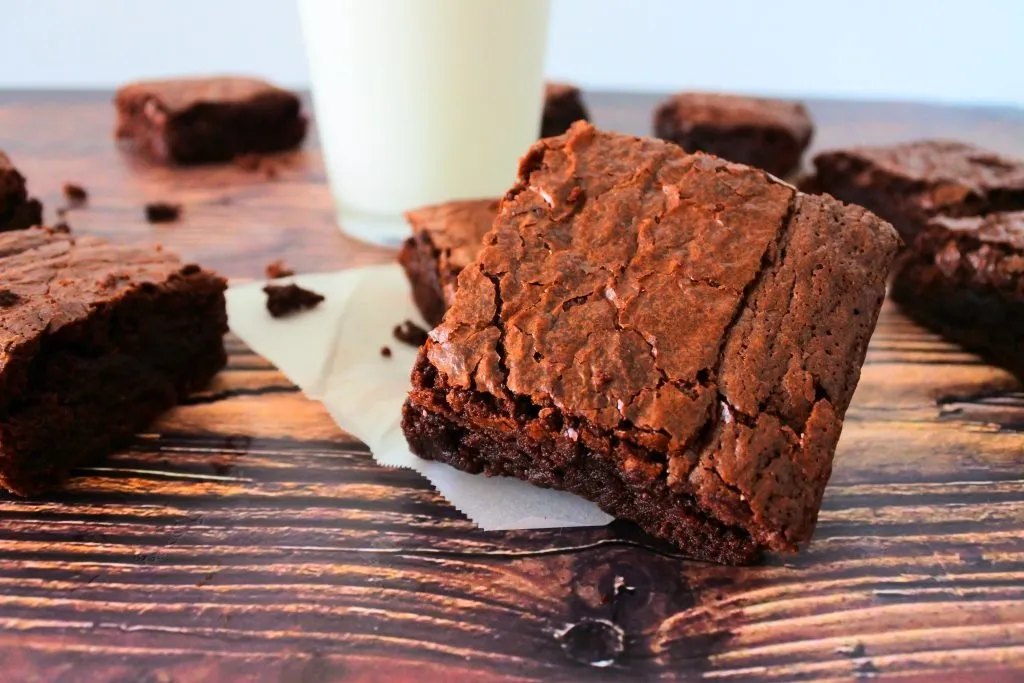
Brownies offer a rich, satisfying treat that combines carbohydrates, fats, and sugar, key elements for sustained energy. As a mountain climbing food, they provide dense calories in a compact package. Homemade or store-bought versions can be wrapped individually for easy packing. Chocolate-based brownies also contain small amounts of caffeine, which can help improve alertness at higher elevations. Enjoying a brownie at a rest stop can also provide psychological comfort and a sense of reward after a difficult section of the climb.
String Cheese
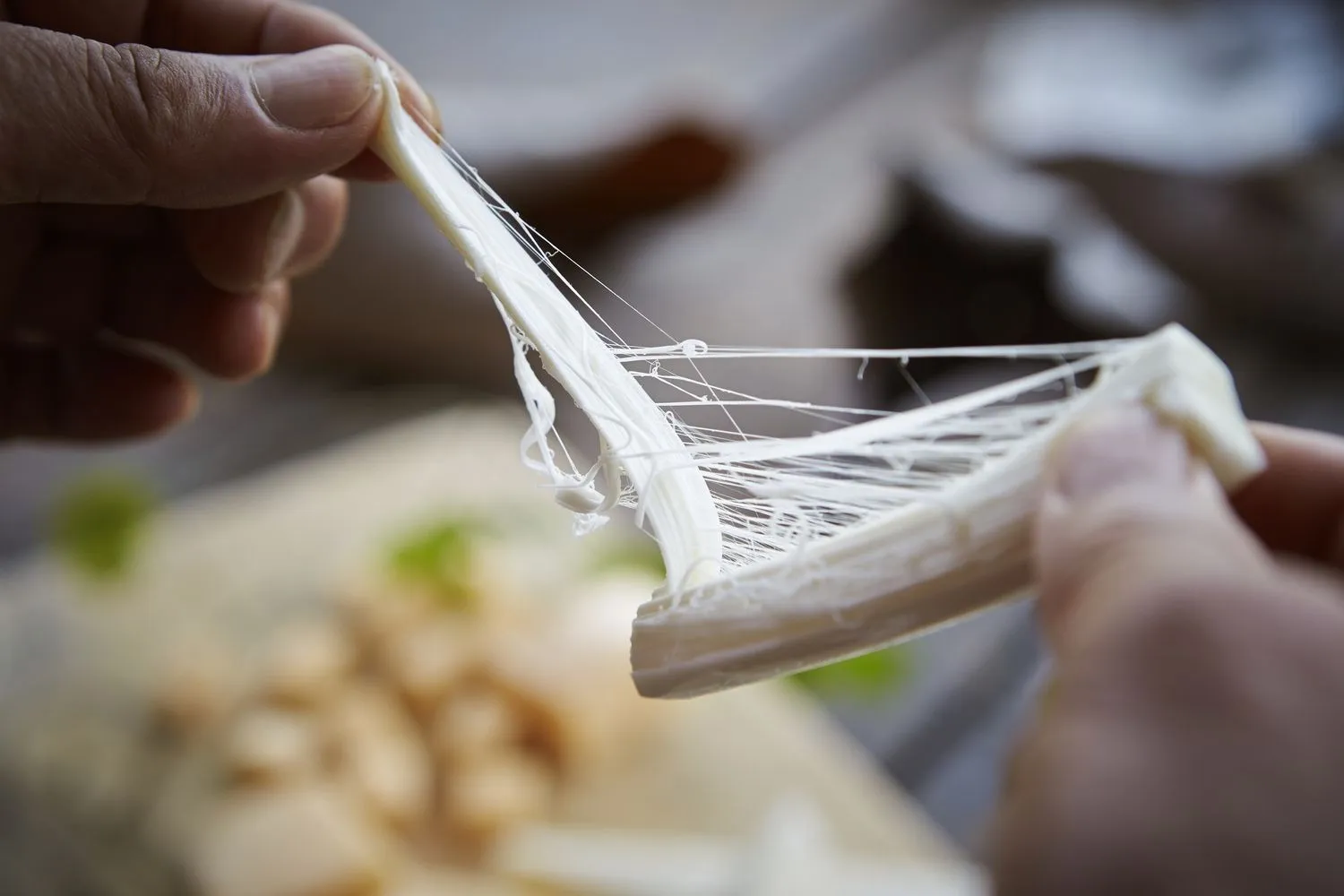
String cheese is a practical protein source that’s both compact and easy to consume. It contains essential amino acids that support muscle recovery, which is vital when consuming large amounts of mountain climbing food high in carbohydrates. Cheese also provides calcium and fat for long-term energy. It’s particularly useful for cold-weather climbs because it stays firm and fresh longer in cooler temperatures. Climbers often pair it with crackers or nuts for a balanced mini-meal on the trail.
Snacks
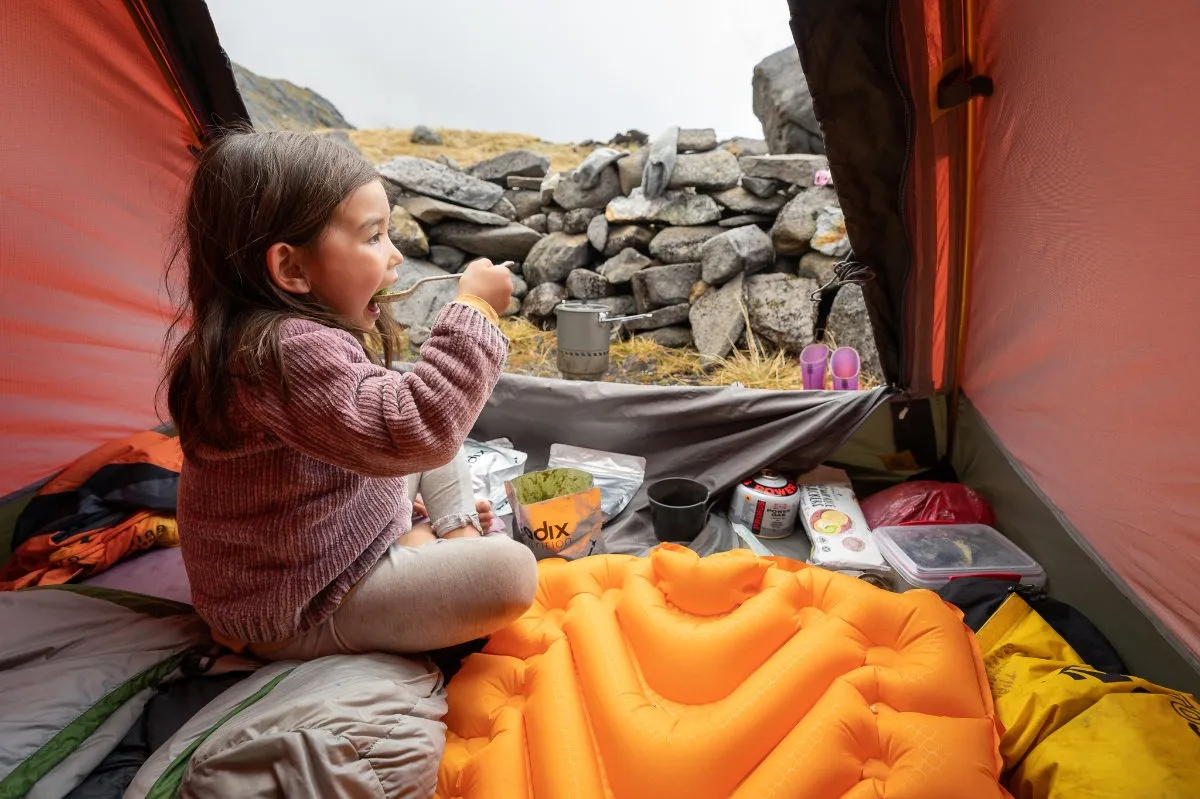
When packing snacks for a climb, variety and nutrient density matter most. Ideal mountain climbing food snacks include trail mix, nut butters, jerky, and dried fruit. These items supply a combination of carbohydrates and healthy fats that help keep energy levels consistent throughout the day. Trail mix is a favorite because it can be customized with almonds, raisins, chocolate chips, and seeds. Pack snacks in small, resealable bags so they’re easy to grab during short rest breaks without interrupting your pace.
Energy Bars
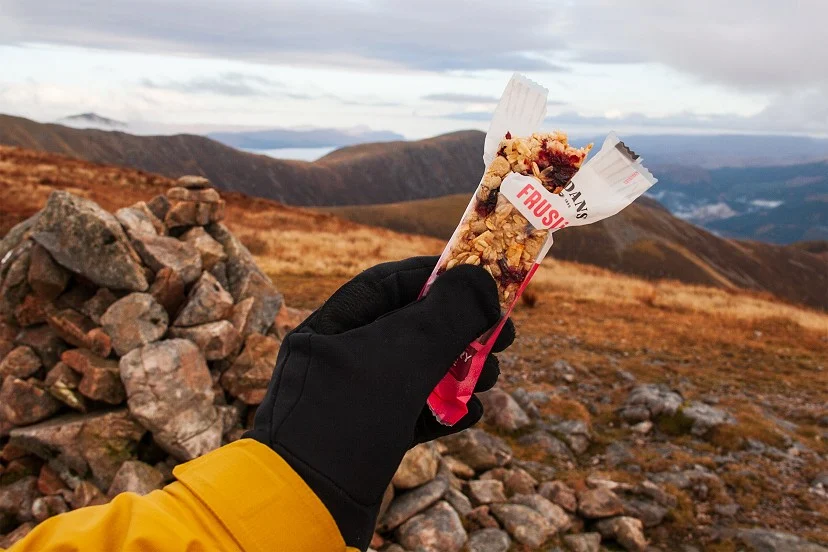
Energy bars are one of the most convenient forms of mountain climbing food because they combine essential nutrients in a portable form. Look for bars that provide at least 200 calories and contain both carbohydrates and protein. Some energy bars are formulated with caffeine or electrolytes to support performance at high altitude. The best bars have natural ingredients such as oats, honey, and nuts, which are easy to digest and provide sustained energy. Always test a few brands before your climb to see which sit best with your stomach during exertion.
Soup
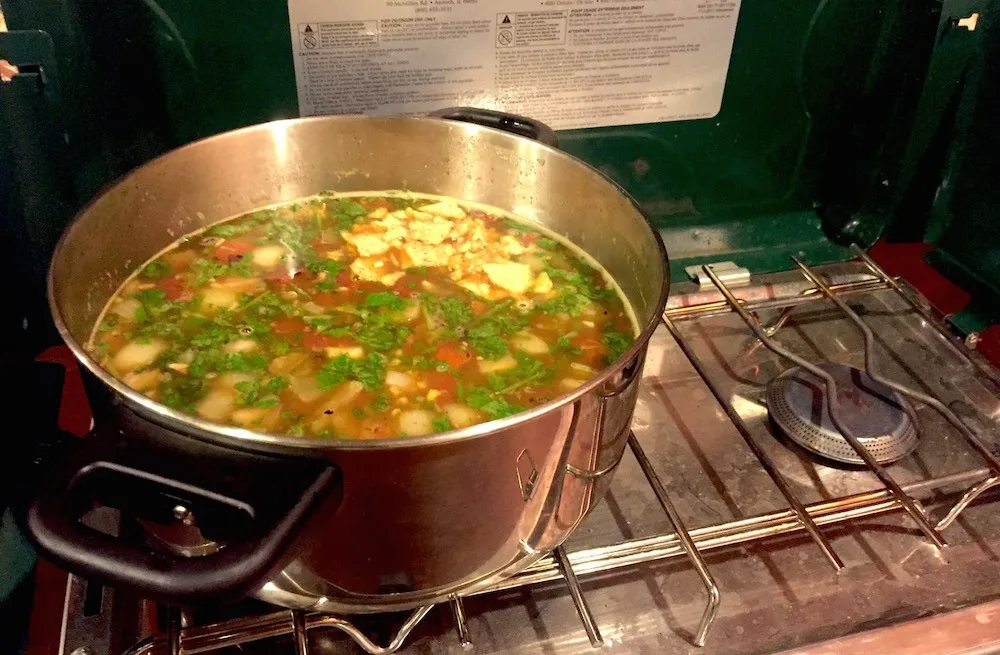
Soup may not always come to mind as mountain climbing food, but it’s incredibly beneficial in maintaining hydration and warmth. Instant soups or dehydrated mixes are lightweight, easy to prepare, and help restore lost electrolytes. Warm liquids are also soothing in cold, windy conditions and can help combat altitude-related nausea. Options like miso, chicken noodle, or vegetable broth provide salt, carbohydrates, and comfort all in one meal. Many climbers find a hot soup to be a morale booster at camp after a long day on the mountain.
How Much Should Mountain Climbers Eat a Day?
The calorie demands of mountain climbing are exceptionally high, often exceeding 4,000 to 6,000 calories per day. The best mountain climbing food strategy involves eating small but frequent meals to keep energy steady. Carbohydrates should make up about 60 percent of the daily intake, with fats and proteins covering the rest. It’s crucial to listen to your body’s hunger signals, as appetite can decrease at altitude due to lower oxygen levels. Bringing along foods that you genuinely enjoy encourages consistent eating, which is essential for maintaining performance.
Climbers should plan meals around the intensity of their climb. On rest days or lower activity levels, reduce portion sizes slightly, but never skip meals. Energy gels, electrolyte powders, and easy-to-digest snacks help supplement your intake when cooking is difficult. The key to sustaining energy and endurance is preparation, pack diverse food options that cover both quick fuel and recovery needs.
What Do You Drink?
Hydration is as important as food when it comes to high-altitude performance. The best mountain climbing food should be complemented by consistent fluid intake. Water is essential, but climbers also need beverages that replenish electrolytes and provide energy. Sports drinks, electrolyte mixes, and tea are popular choices because they replace sodium and potassium lost through sweat. Warm beverages also help maintain body temperature in freezing environments.
At altitude, dehydration occurs faster than at sea level due to dry air and increased respiration. Aim to drink small sips frequently rather than large amounts at once. Avoid alcohol and excessive caffeine, as both contribute to dehydration. Soups and fruits can also contribute to your overall fluid balance, ensuring that your body functions efficiently throughout the climb.
Conclusion
Nutrition is a vital part of any successful climb, and choosing the right mountain climbing food can determine whether you thrive or struggle in challenging conditions. The goal is to balance convenience, nutrition, and personal preference to stay fueled and strong at altitude. From quick snacks like bananas and energy bars to warming soups and hearty treats, climbers have many options to maintain stamina. Understanding how your body responds to altitude and adjusting your meal plan accordingly will keep you performing at your peak. With the right food and hydration, every step toward the summit becomes more achievable.