
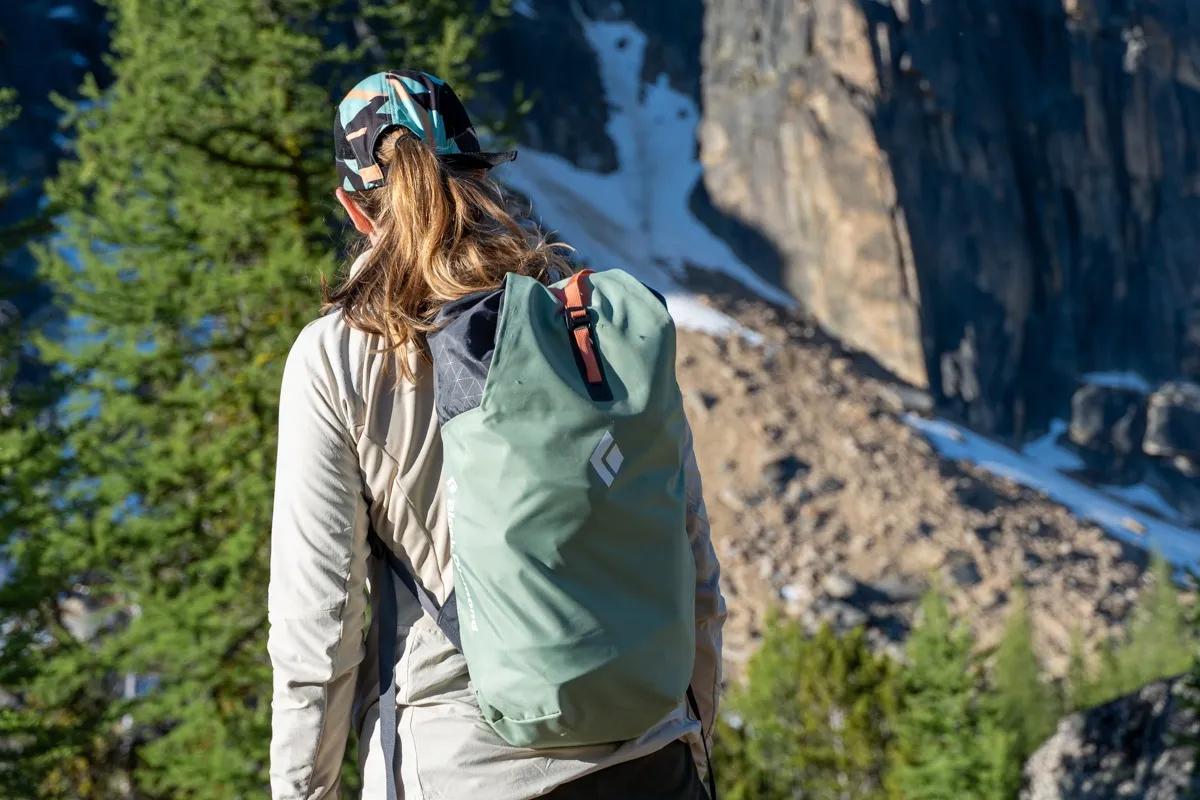
Mountain climbing is an adventure that demands both physical strength and the right preparation, and for women, having gear that fits properly and supports the body’s natural biomechanics is essential. The world of women's mountain climbing gear has evolved significantly, offering equipment designed not only for safety but also for enhanced comfort, balance and load distribution. Before taking on alpine trails, snowy ridgelines or rocky summits, you need to understand how to choose gear that truly supports your climb. This complete guide examines every category in depth, helping you prepare confidently and efficiently.
Understanding the Importance of Proper Women's Mountain Climbing Gear
Women’s bodies have unique structural and physiological differences, from hip width and shoulder proportions to stride patterns and center of gravity. This means women’s mountain climbing gear is not just a smaller version of men’s gear; it is engineered to respond to these needs. Well-fitted gear improves weight balance, trekking endurance and climbing stability, especially when carrying technical equipment. When gear aligns with your body, fatigue decreases and confidence increases. Many female climbers notice that switching to gender-specific designs reduces strain on the lower back and knees during long ascents, making the journey safer and more enjoyable.
Footwear: The Foundation of Every Climb
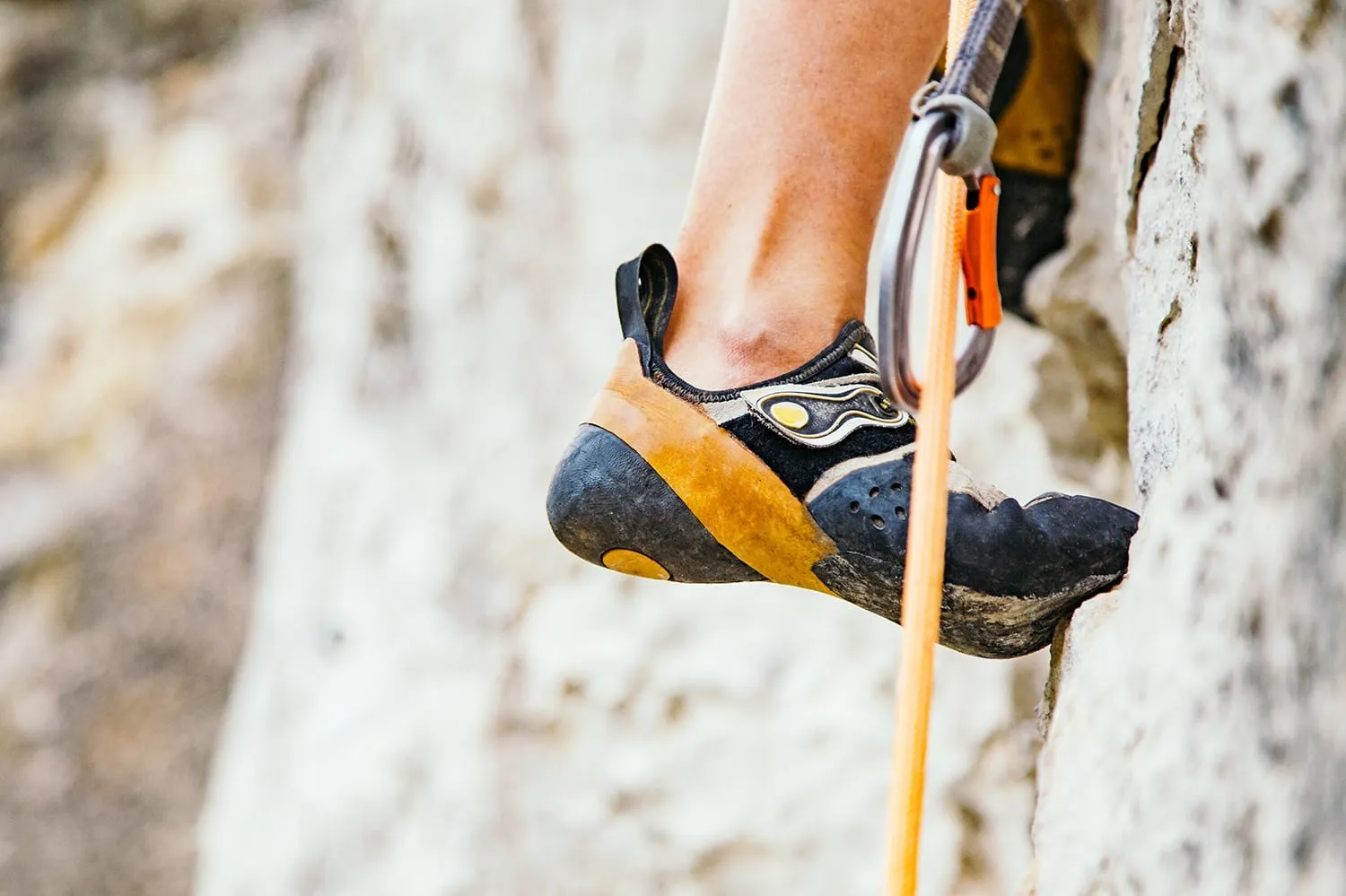
Among all categories of women's mountain climbing gear, boots play the most crucial role because every ascent begins and ends with your feet. High-quality climbing boots stabilize your ankles, protect against sharp rocks and maintain traction on slippery surfaces. Modern women’s boots combine sturdy outer materials with responsive cushioning, preventing joint stress on steep sections.
Choosing the Right Type of Boots
The terrain determines the type of boot you need. Lightweight models suit fast hikes and scrambling routes, while insulated boots are essential for alpine snow and ice. Proper boot fit allows room for toe movement but eliminates heel lift to prevent blisters. Since women often have narrower heels and lower insteps than men, women’s mountain climbing gear brands design boots with ergonomic shaping that supports natural foot curvature.
Material and Performance
Synthetic materials dry quickly and remain breathable, while leather offers long-term durability and weather resistance. Rubber outsoles with deep lugs enhance stability on unstable rocks, and crampon compatibility is important for climbers tackling icy summits. When testing boots, observe how they react on inclines and uneven surfaces to ensure the sole stiffness matches your intended climbs.
Clothing: Layering for Comfort and Adaptability
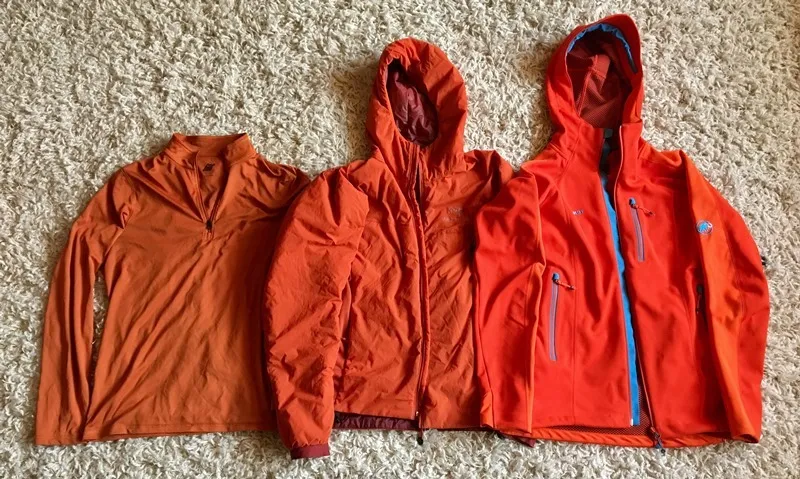
Clothing is a vital component of women’s mountain climbing gear because mountains expose you to unpredictable weather. Temperature can shift rapidly, so climbers must rely on a flexible layering system.
Base Layer
The base layer regulates moisture, keeping sweat away from the skin to prevent chills. Women-specific designs adapt to a narrower torso and provide stretch zones that accommodate movement during climbing motions.
Mid Layer
Softshell or fleece mid layers trap heat while remaining breathable. Climbers often prefer lightweight insulation that maintains warmth without restricting arm or shoulder mobility.
Outer Shell
A waterproof, windproof shell is essential as it protects against rain, snow and harsh winds. Women’s outerwear often features contoured cuts that minimize fabric bulk and prevent cold air pockets from forming during climbs.
Backpacks: Support, Structure and Load Balance
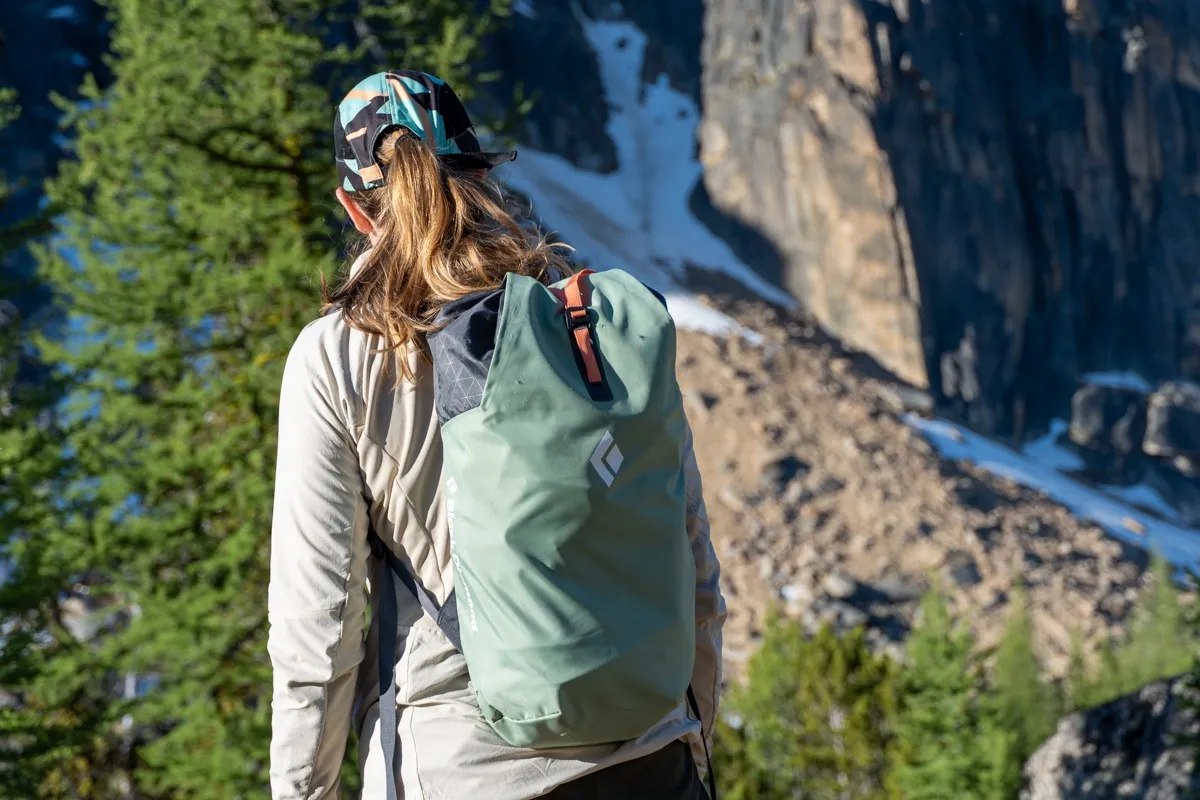
A properly fitted backpack determines how well you can move across long distances. In women’s mountain climbing gear, backpacks are crafted with shorter torso lengths, narrower shoulder spacing and curved hip belts shaped to sit comfortably.
Pack Capacity and Structure
The right pack size depends on the length of your expedition. For single day climbs, a 20 to 35 liter pack is sufficient, while multi-day alpine climbs may require 40 to 55 liters. Women’s packs distribute weight through the hips rather than the shoulders, which helps maintain stability.
Suspension and Comfort
Adjustable suspension systems ensure the pack fits snugly. Breathable back panels reduce moisture and overheating. Look for hip belts with soft padding, especially for routes involving steep ascents.
Technical Gear: Tools That Enhance Safety
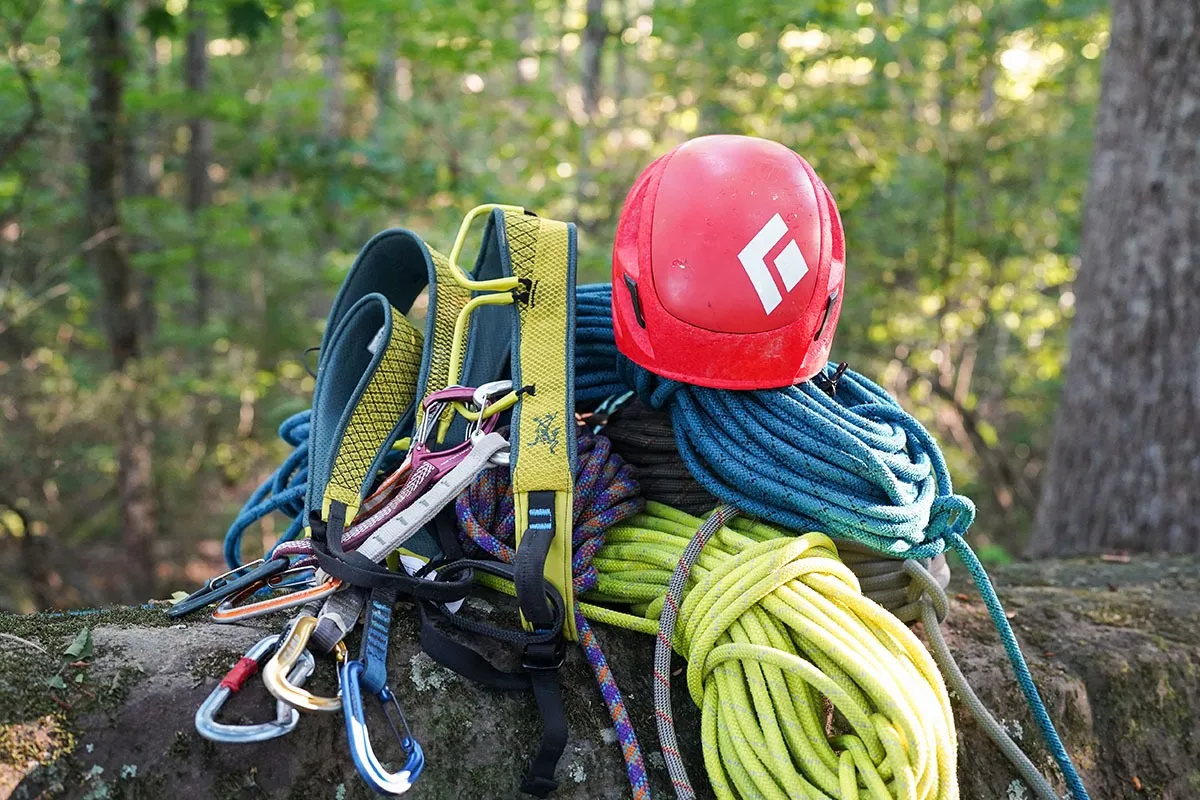
Technical equipment is another pillar of women's mountain climbing gear. Ice axes, harnesses, ropes and carabiners protect you from falls and ensure safe climbing on exposed terrain.
Harnesses
Harnesses designed for women include higher rise points and curved waist belts. These features increase comfort during prolonged periods of rope work or belaying.
Helmets
A lightweight helmet with ventilation keeps you safe from falling debris and protects you during slips. Women’s helmets often include better adjustability to accommodate ponytails or smaller head sizes.
Ice Axes and Crampons
For snow and ice climbs, ice axes and crampons are indispensable. Women’s models tend to be lighter and offer grip sizes suited for smaller hands, improving precision.
Nutrition, Hydration and Accessories
Even the best women's mountain climbing gear cannot replace the role of nutrition and hydration. High-altitude conditions increase energy demand, so climbers must bring calorie-dense snacks and insulated hydration systems.
Gloves and Headwear
Cold hands quickly limit performance. Gloves crafted for women have narrower finger widths and improved insulation. Meanwhile, beanies and balaclavas protect against strong winds and help maintain body heat.
Trekking Poles
Trekking poles reduce strain on the knees and offer rhythm in ascents. Women’s poles are typically lighter and shorter, matching average female height and grip size.

Choosing the Right Gear for Your Climbing Style
Your climbing style influences how you select women’s mountain climbing gear. Climbers who prefer technical routes should prioritize harness adjustability, helmet security and boot stiffness. Meanwhile, hikers who focus on long endurance climbs may value lightweight packs, moisture-wicking layers and well-cushioned footwear.
Care and Maintenance of Your Gear
Proper care extends the lifespan of your equipment. Dry boots completely after wet climbs, store ropes in cool conditions and clean outer shells with technical detergents. Maintaining your women’s mountain climbing gear ensures consistent performance across multiple seasons.
Final Thoughts
Mountain climbing becomes more powerful, safe and fulfilling when you invest in gear that truly fits your body and climbing goals. Women’s mountain climbing gear is no longer an afterthought in the industry but a refined category designed to support strength, stability and endurance. When each piece of equipment works in harmony with your body, you climb with confidence and reach summits with greater ease.